The Evolution of Electric Vehicles: Driving Toward a Sustainable Future
This article explores the evolution of electric vehicles (EVs), their technological advancements, and their growing role in shaping a sustainable future. It covers the environmental benefits, the challenges of EV adoption, and the future prospects of the electric vehicle market.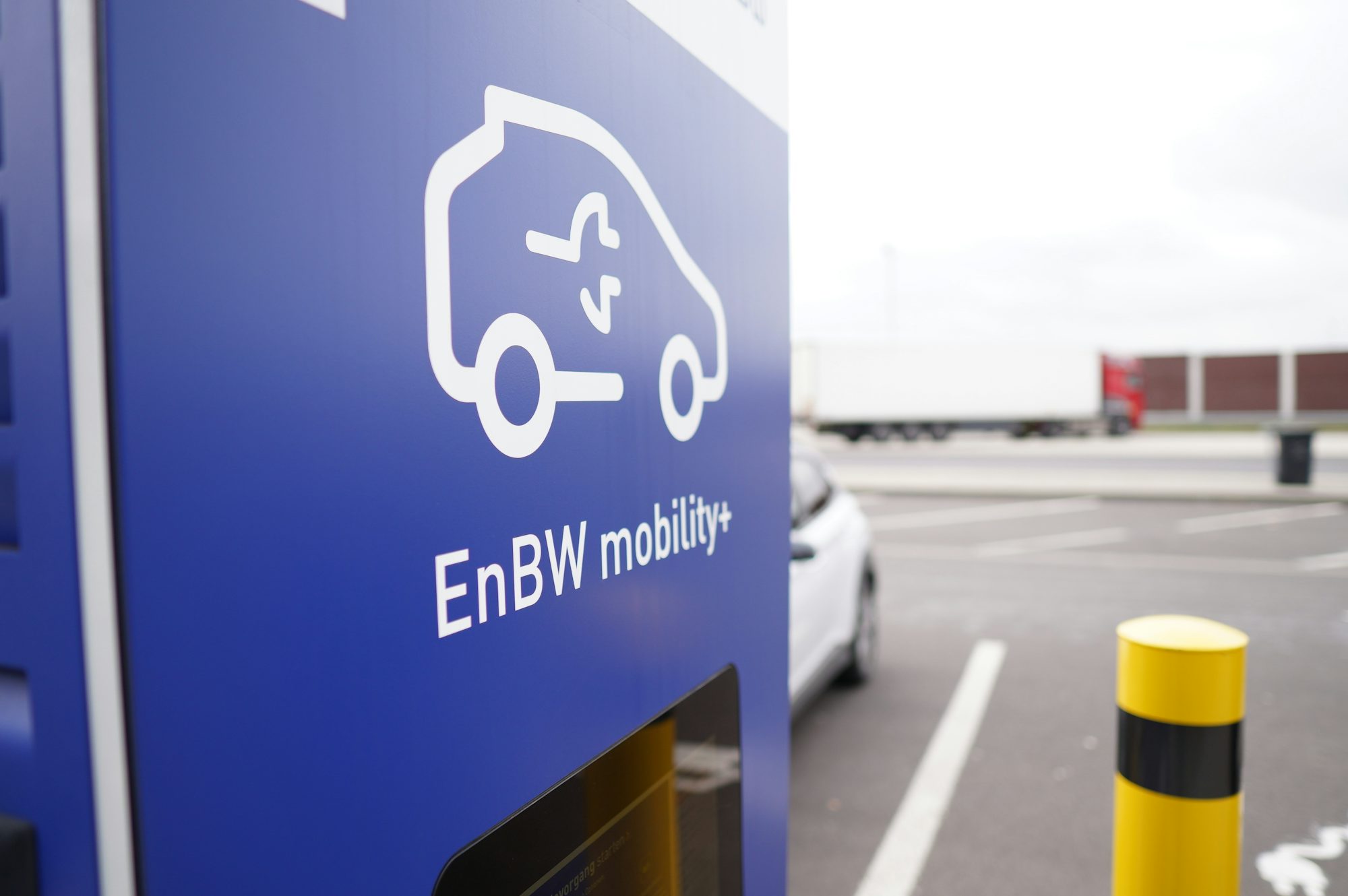
The History of Electric Vehicles
The idea of electric vehicles dates back to the 19th century, long before the first gasoline-powered cars hit the roads. In fact, the earliest known electric car was built in the 1830s by Scottish inventor Robert Anderson. These early electric vehicles were powered by non-rechargeable batteries and were limited by the technology of the time.
By the late 1800s and early 1900s, electric vehicles were gaining popularity, especially in urban areas. They were quiet, easy to operate, and did not require the manual cranking that gasoline-powered cars of the era demanded. In fact, at the turn of the 20th century, electric vehicles were among the most popular cars on the road, with major manufacturers like Detroit Electric producing electric cars for wealthy customers.
However, the rise of the internal combustion engine (ICE) in the early 20th century, coupled with the discovery of cheap petroleum and the mass production of gasoline-powered vehicles by Henry Ford, led to the decline of electric vehicles. The limited range of early EVs, along with the lack of infrastructure for recharging, made them less practical compared to gasoline-powered cars.
Despite this setback, the concept of electric vehicles never truly disappeared. In the latter half of the 20th century, as concerns about air pollution and fossil fuel dependence grew, interest in electric mobility began to resurface. Technological advances in batteries, electric motors, and other components paved the way for the modern electric vehicle we know today.
The Rise of Modern Electric Vehicles
The true revival of the electric vehicle began in the early 21st century, when companies like Tesla, Nissan, and Chevrolet began producing electric vehicles with mass-market appeal. The launch of the Tesla Roadster in 2008 was a pivotal moment for the EV industry, proving that electric cars could be high-performance vehicles without compromising on range or style.
One of the key factors driving the growth of the electric vehicle market is the significant improvement in battery technology. Lithium-ion batteries, which are now commonly used in EVs, offer higher energy densities, faster charging times, and longer lifespans compared to older battery technologies. As a result, modern electric vehicles are able to achieve ranges of 200 miles or more on a single charge, making them a viable option for everyday driving.
Government incentives and subsidies have also played a critical role in accelerating the adoption of electric vehicles. In many countries, including the United States, China, and various European nations, governments offer tax credits, rebates, and other financial incentives to consumers who purchase electric vehicles. These incentives help offset the higher initial cost of EVs, making them more accessible to a wider audience.
Moreover, automakers are investing heavily in electric vehicle technology. Major manufacturers such as Volkswagen, General Motors, and Ford have committed to expanding their electric vehicle offerings in the coming years. Volkswagen, for example, has announced plans to produce 70 electric vehicle models by 2030, while General Motors aims to become an all-electric company by 2040. This shift toward electrification reflects the growing recognition that electric vehicles are not just a passing trend, but the future of transportation.
The Benefits of Electric Vehicles
The transition to electric vehicles offers numerous environmental, economic, and social benefits. One of the most obvious advantages is the reduction of greenhouse gas emissions. Unlike traditional gasoline-powered vehicles, electric vehicles produce zero tailpipe emissions, making them an important tool in the fight against climate change. When charged with renewable energy sources, EVs can be a completely carbon-neutral mode of transportation.
In addition to reducing emissions, electric vehicles also help to improve air quality, particularly in urban areas where air pollution from transportation is a significant problem. Electric vehicles produce no harmful pollutants such as nitrogen oxides or particulate matter, which are common in the exhaust of internal combustion engines.
Electric vehicles are also more energy-efficient than their gasoline counterparts. Electric motors are inherently more efficient at converting energy into motion compared to internal combustion engines, which waste a significant portion of the energy in the form of heat. This means that electric vehicles can travel further on less energy, making them more cost-effective to operate in the long term.
The economic benefits of electric vehicles are also significant. While the initial purchase price of an electric vehicle can be higher than that of a gasoline-powered car, the cost of ownership is generally lower. EVs have fewer moving parts, which reduces maintenance costs, and the price of electricity for charging is typically much lower than the cost of gasoline or diesel fuel. Additionally, as battery prices continue to fall, the upfront cost of electric vehicles is expected to decrease, making them more affordable for consumers.
The Challenges of Electric Vehicle Adoption
Despite the numerous benefits, the widespread adoption of electric vehicles still faces several challenges. One of the most significant hurdles is the issue of charging infrastructure. While the number of public charging stations has grown rapidly in recent years, the availability of charging points remains limited in some regions. This lack of infrastructure can create range anxiety for potential EV buyers, who worry about running out of charge while on the road.
Another challenge is the charging time. While fast-charging technology has improved, it still takes longer to recharge an electric vehicle compared to filling up a gasoline-powered car. Although many EV owners charge their cars overnight at home, long road trips can be more time-consuming, as finding a charging station and waiting for the vehicle to recharge can take up to an hour or more.
The environmental impact of battery production and disposal is another concern. While electric vehicles themselves produce no emissions, the production of lithium-ion batteries requires the extraction of raw materials like lithium, cobalt, and nickel, which can have significant environmental and human rights implications. Additionally, the disposal of used batteries can create environmental challenges if not properly managed. However, advances in battery recycling and the development of sustainable mining practices are helping to address these issues.
The Future of Electric Vehicles
The future of electric vehicles looks promising. As battery technology continues to improve, the driving range and charging times of EVs will continue to increase, making them even more practical for everyday use. The expansion of charging infrastructure, both at home and in public spaces, will also help to alleviate range anxiety and make electric vehicles more convenient to own and operate.
Governments are expected to continue supporting the adoption of electric vehicles through incentives and regulations. Many countries have announced plans to phase out the sale of new gasoline-powered cars in the coming decades, further accelerating the shift to electric mobility. In fact, some countries, such as Norway, have set ambitious targets to ban the sale of new internal combustion engine vehicles as early as 2025.
Additionally, automakers are continuing to invest heavily in electric vehicle development. The next generation of electric vehicles will likely include innovations such as autonomous driving, wireless charging, and even more efficient batteries. As EV technology becomes more advanced and affordable, electric vehicles are expected to make up a growing share of the global automotive market.
Conclusion
Electric vehicles represent the future of transportation—a future that is cleaner, more sustainable, and increasingly accessible to people around the world. As technology improves and infrastructure expands, the widespread adoption of electric vehicles will play a critical role in reducing greenhouse gas emissions, improving air quality, and creating a more sustainable global economy. While challenges remain, the electric vehicle revolution is well underway, and its impact on the world will only continue to grow.